Applications by Sector
HVAC for Electrical Substations
High-reliability thermal protection for critical electrical infrastructure
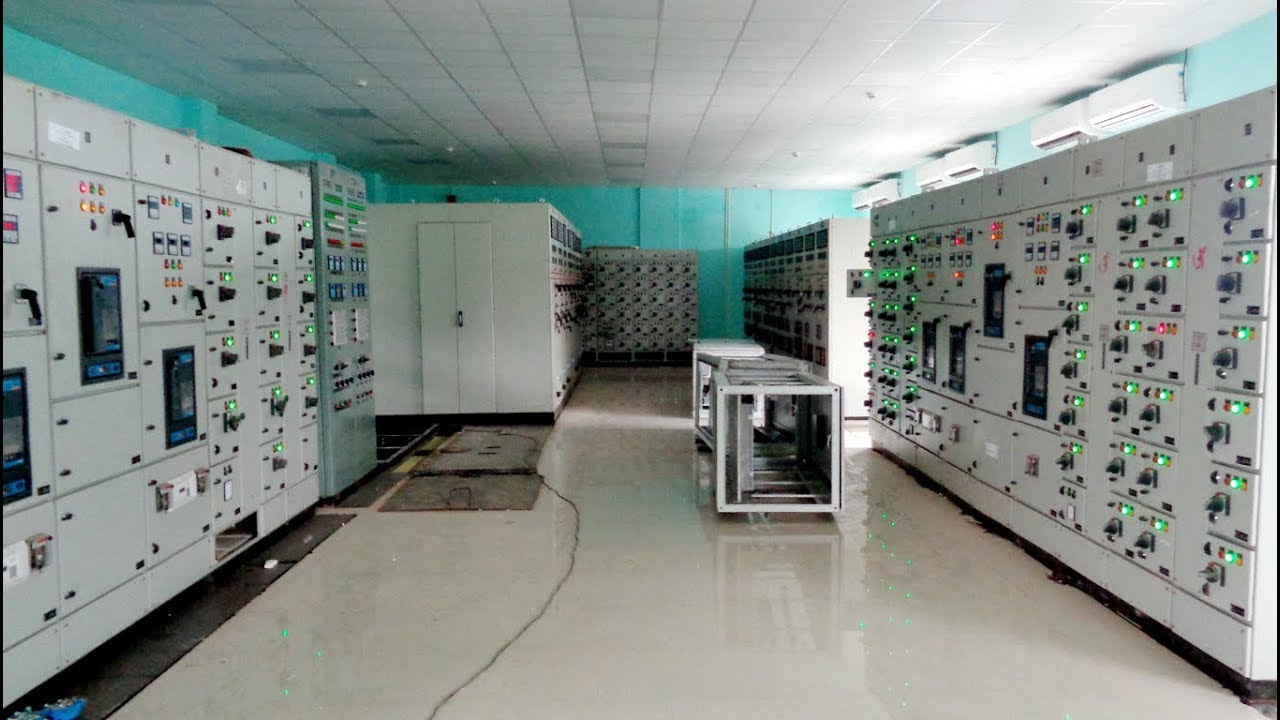
HVAC projects for electrical substations, switchgear rooms and power distribution centers. Equipment with IP54/IP55 protection, operation at external temperatures up to 55°C and N+1 redundancy. SCADA integration and 24/7 remote monitoring. Over 50 years of experience in thermal protection for the Brazilian electrical sector.
Talk to SpecialistTechnical Specifications
Process Requirements
Ventilation and exhaust sized for heat dissipation generated by power transformers. Flow calculated according to equipment thermal losses.
HVAC for medium voltage switchgear (13.8kV, 34.5kV), vacuum and SF6 circuit breakers, and protection equipment.
HVAC for MCCs, distribution panels, variable frequency drives and soft-starters.
Controlled environment for SCADA systems, HMIs, automation servers and teleprotection equipment.
Controlled temperature to maximize stationary battery lifespan. Ventilation for gas dilution.
HVAC for communication equipment, fiber optics, radios and teleprotection systems.
Technical Analysis
The Criticality of HVAC in Electrical Centers
\nElectrical centers and substations are the heart of the electrical system. Transformers, medium and low voltage panels, frequency inverters, and automation systems generate intense heat during operation. Without an adequate HVAC system, temperatures can reach critical levels, causing:
\n- \n
- Accelerated insulation degradation: The lifespan of electrical insulation is halved for every 10°C above the nominal temperature. \n
- Failures in electronic components: PLCs, HMIs, and protection systems are sensitive to elevated temperatures. \n
- Emergency shutdowns: Thermal protections may activate, causing power supply interruptions. \n
- Reduction in load capacity: Transformers and cables have their capacity reduced at high temperatures. \n
Helioterm Design Methodology for Electrical Centers
\nOur design methodology is specific to the electrical sector and includes:
\n \n1. Thermal Load Survey
\nWe calculate the thermal losses of each equipment: transformers (iron and copper losses), panels (losses in busbars and circuit breakers), inverters (typical efficiency of 95-98%), and automation systems. We also consider thermal loads from lighting, personnel, and infiltration.
\n \n2. Environmental Conditions Analysis
\nWe assess the climatic conditions of the region: maximum design temperature, humidity, presence of dust, salinity (coastal regions), and altitude. These factors directly influence the selection and sizing of equipment.
\n \n3. Redundancy Definition
\nFor critical electrical centers, N+1 redundancy is mandatory. In high-criticality installations (transmission substations, data centers), 2N redundancy may be required.
\n \n4. Technology Selection
\nWe choose among different technologies according to the characteristics of the installation:
\n- \n
- Wall-mounted: Ideal for small to medium-sized panel rooms. Simple installation, facilitated maintenance. \n
- Self-Contained: For environments without available external space. Internal unit with ducts to the exterior. \n
- Split System: For control and command rooms where low noise is important. \n
- Chillers + Fan Coils: For large electrical centers with multiple rooms. \n
Special Features for the Electrical Sector
\n \nIP54/IP55 Protection
\nOur equipment is designed with IP54 or IP55 protection rating, ensuring protection against dust and water jets. This is essential in industrial environments where contamination can compromise operation.
\n \nOperation at High External Temperature
\nEquipment sized to operate with external temperatures up to 55°C, ensuring performance even under the most severe conditions in Brazil.
\n \nCorrosion-Resistant Materials
\nFor installations in coastal regions or aggressive environments, we use galvanized steel cabinets with electrostatic paint, coils with anticorrosive treatment, and stainless steel components.
\n \nElectromagnetic Compatibility
\nOur equipment is designed and tested to avoid generating electromagnetic interference that could affect the installation’s protection and automation systems.
\n \nIntegration with SCADA Systems
\nAll our systems can be integrated with the installation’s SCADA, providing:
\n- \n
- Temperature of each monitored environment \n
- Operating status of HVAC equipment \n
- High temperature alarms, compressor failure, and redundancy loss \n
- Operation history for trend analysis \n
- Remote commands for on/off and setpoint \n
Maintenance and Support
\nWe offer preventive and corrective maintenance contracts specific to the electrical sector, with:
\n- \n
- Team trained in NR-10 and safety procedures \n
- 24/7 emergency service \n
- SLA response according to installation criticality \n
- Strategic spare parts inventory \n
- Detailed technical reports \n
Sector Challenges
Transformers, inverters, switchgear and reactors generate large amounts of heat in compact spaces. Loads can range from 50 kW to several MW depending on installation size.
Industrial dust, humidity, salinity (in coastal regions) and high external temperatures require robust equipment with high IP protection and corrosion-resistant materials.
Electrical substations cannot stop. An HVAC failure can cause emergency shutdown due to overtemperature, affecting the entire power distribution chain.
HVAC equipment must comply with electrical safety standards (NR-10). Installation and maintenance require special procedures in energized environments.
Maintenance must be planned and executed safely, often at specific times with operations team supervision.
Many substations are in remote areas, requiring reliable, low-maintenance equipment with remote monitoring capability.
Thermal load varies according to energy demand. The HVAC system must respond quickly to these variations while maintaining stability.
HVAC equipment must not generate electromagnetic interference that affects protection and automation systems.
Our Solutions
Wall-mounted units from 1 to 50 TR for electrical and switchgear room HVAC. IP54/IP55 protection, operation at external temperatures up to 55°C.
View ProductCompact units for environments with limited outdoor space. Indoor installation with air ducts to exterior.
View ProductHigh-capacity split systems for command and control rooms. Low-noise evaporators.
View ProductRooftop units for large electrical substations. External installation, easy maintenance.
View ProductChilled water for high-capacity HVAC systems. Ideal for substations with multiple rooms.
View ProductForced ventilation sized for transformer rooms. Calculation per equipment thermal losses.
View ProductPositive pressurization to prevent dust and contaminant entry in switchgear and control rooms.
View Product24/7 monitoring system with real-time alerts, SCADA integration and performance reports.
View ProductRegulations and Standards
Benefits for Your Business
Success Case
Industrial Electrical Center - Cubatão Petrochemical Complex/SP
Design and implementation of a complete HVAC system for a 5,000 m² electrical center with 50 MVA transformers, 13.8 kV medium voltage switchgear, low voltage MCC and integrated control room. The solution included 8 wall-mounted units of 20 TR each with N+1 redundancy, ventilation system sized for transformer room with 50,000 m³/h flow, positive pressurization of switchgear room and SCADA-integrated automation.
Related Applications
Explore other applications for Applications by Sector
Ready to optimize your process?
Our engineering team is ready to develop the ideal solution for your application.